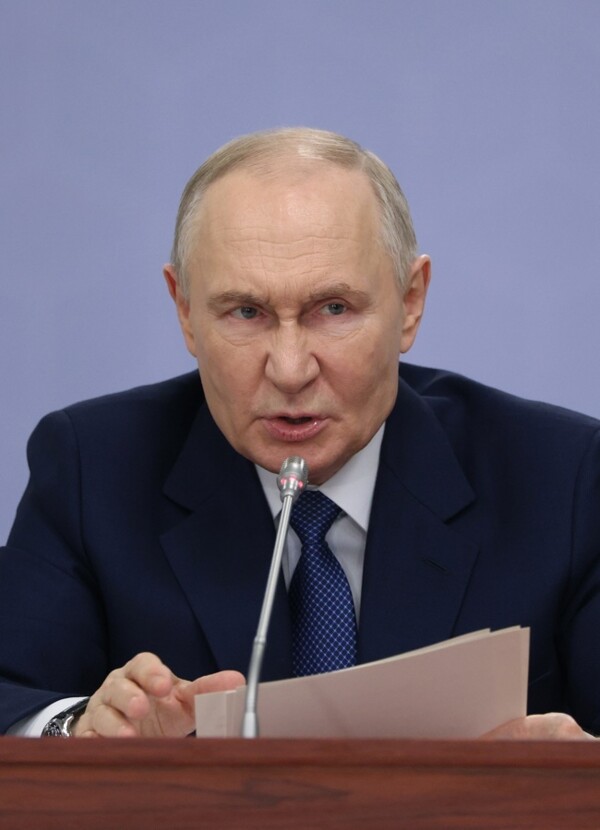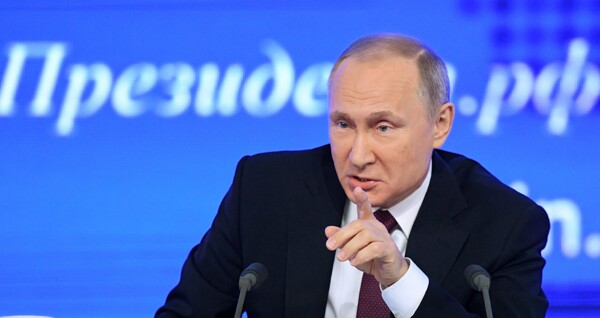
Moscow, Nov 21 (EFE). - U.S. sanctions against Russia's two largest oil companies, Rosneft and Lukoil, whose impact in the form of reduced exports to China and India is already being felt on the national economy, took effect this Friday, just as a new peace plan for Ukraine is being negotiated. The Treasury Department asserts that the restrictions have managed to significantly reduce hydrocarbon exports since their announcement on October 22, thereby undermining Moscow's ability to "finance the war against Ukraine." These are the first sanctions adopted by the White House against the Kremlin since U.S. President Donald Trump came to power last January. Russian leader Vladimir Putin dismissed both that the measure would have a negative impact on the oil industry and that the pressures would make him stop the war in Ukraine, but Trump is convinced that if Moscow does not cease hostilities, the Russian economy will feel the adverse effects within six months.
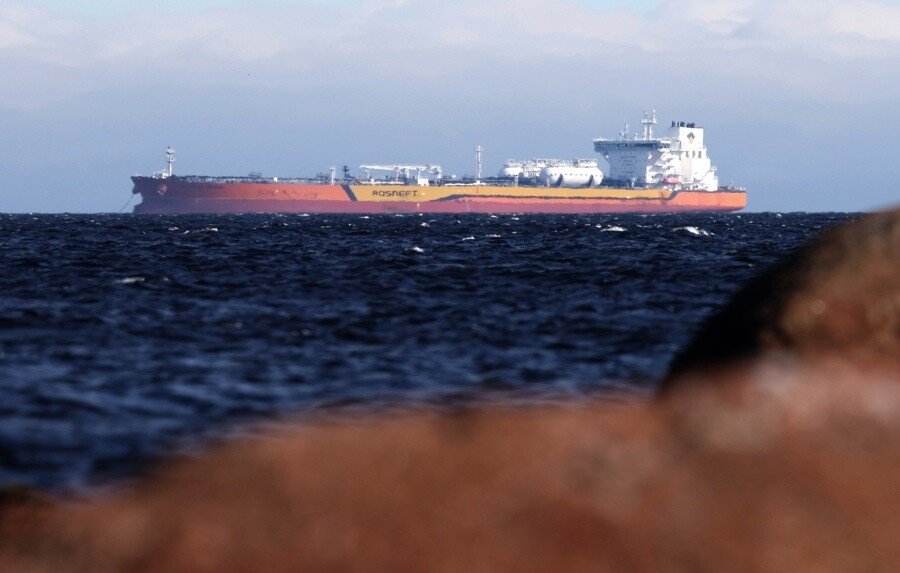
Immediate ImpactThe U.S. Treasury acknowledged this week in a report that the price of Russian Urals crude has plummeted by more than 21% since the sanctions were announced. Indeed, the difference between the price of a barrel of Urals ($36) and Brent is over $20, the largest since early 2023. As a result, Russia's weekly income from crude oil exports, which were almost reaching $1.5 billion at the end of October, have also fallen by 20% now. Furthermore, nearly a dozen Chinese and Indian companies—the destination of 90% of maritime exports—have notably reduced imports—some have ceased completely—or expressed their intention to suspend purchases for December. According to the New York Times, the last Russian oil tankers bound for Indian refineries departed from the Black Sea four weeks ago with the aim of docking in the Asian country's ports before today, Friday. JP Morgan estimates that one-third of Russia's exports are on tankers without a destination. Treasury Secretary Scott Bessent estimated a 20%-30% reduction in Russian revenue due to the sanctions, while Zelensky spoke of $5 billion in monthly losses.
Extension for Asset SaleAt the same time, the U.S. granted Lukoil an extension until December 13 to sell its foreign assets, whose value experts estimate between $14 and over $20 billion. According to the press, U.S. Chevron and Carlyle have shown interest after the Swiss group Gunvor, close to the Kremlin, renounced after being accused by Washington of being a "Kremlin puppet." Bulgaria, which acquired the Russian oil company's assets in the country, also received an extension until April 29. The neighboring Romania expressed its intention to take control of the Lukoil refinery to avoid the dismissal of 5,000 workers, while the Russian private oil company's Finnish subsidiary, Teboil, announced plans to cease operations at its gas station chain. According to analysts, Rosneft, a state corporation created with the expropriation of Yukos after the fall from grace of magnate Mikhail Khodorkovsky, has far fewer foreign assets, although it has interests in Germany, Iraq, and India. Germany was also granted a six-month extension to continue operating Rosneft's refineries in the country.
It is unknown what will happen with the Indian Nayara Energy refinery, 49% of which belongs to the Russian oil company.
More Sanctions on the HorizonIn turn, the current sanctions may not be the last. And this is less than a week after Trump announced that he would support Congress's initiative to impose "severe sanctions" on "any country" that does business with Russia, with the exception of Hungary, a Washington ally. Republican Lindsey Graham and Democrat Richard Blumenthal are pushing an initiative to impose tariffs on countries that import Russian hydrocarbons and secondary sanctions on foreign companies that help energy production in Russia. Although, according to the press, Trump made it a condition to have the final say when applying the sanctions, that is, to lift them if Putin comes to his senses. Meanwhile, the EU High Representative for Foreign Affairs and Security Policy, Kaja Kallas, announced that Brussels is studying new measures against Russia's "ghost fleet" to prevent it from evading Western restrictions. Indeed, she suggested that these measures do not have to be part of new sanctions against the Kremlin, which will allow countries to be "more agile" and not wait for the twentieth package.