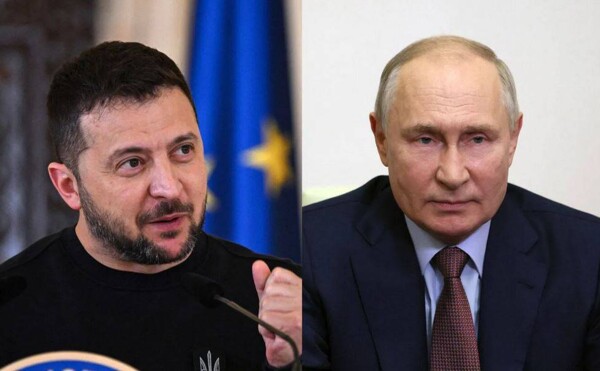
Tensions between Russia and Ukraine continue amid attempts at negotiations. Russian President Vladimir Putin announced a unilateral ceasefire of three days, despite Kiev's rejection, to coincide with the celebrations of the 80th anniversary of the Red Army's victory over Nazi Germany. Dmitry Peskov, presidential spokesperson, stated that the Russian initiative remained in effect, despite recent drone attacks by the Ukrainian army on Russian territory, which were condemned by the Kremlin.
Russian air defenses shot down nine Ukrainian drones headed for Moscow, while several airports temporarily suspended their operations. Additionally, Russia is taking measures to ensure security during the Victory celebrations. Meanwhile, Putin maintains his position of maximalist demands as a condition for stopping hostilities, including the takeover of certain regions of Ukraine.
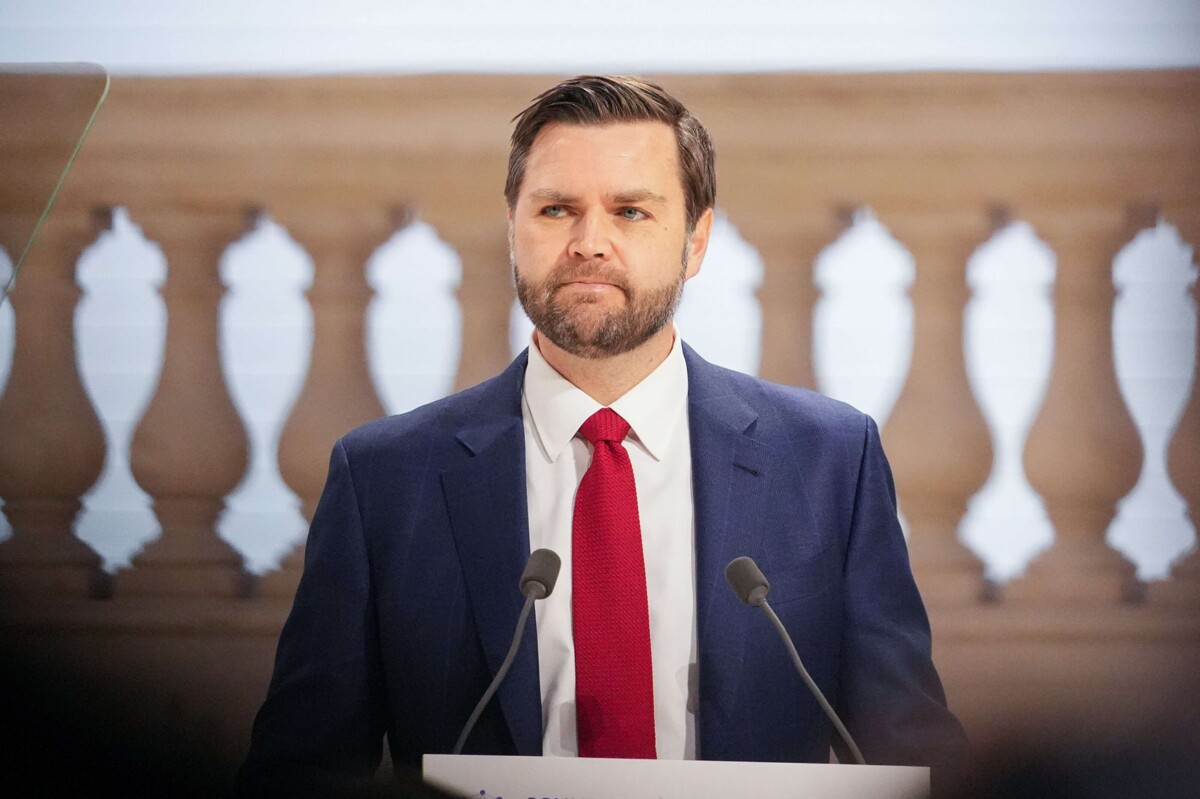
JD Vance, the Vice President, indicated a change in the U.S. approach, moving from a 30-day ceasefire towards building a lasting peace agreement. Vance expressed the need for direct dialogue between Russia and Ukraine to negotiate an effective truce. Although frustration is growing in the White House over the lack of progress, there has been a willingness to participate in conversations, insisting on the importance of communication between both sides to reach an agreement.
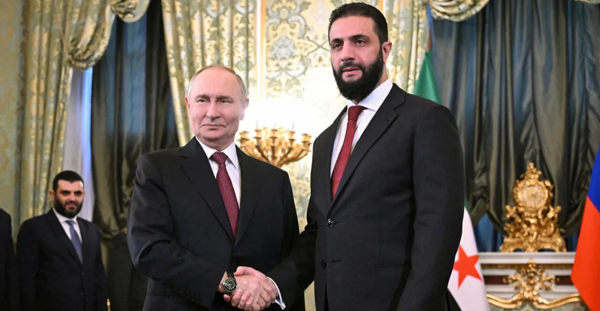
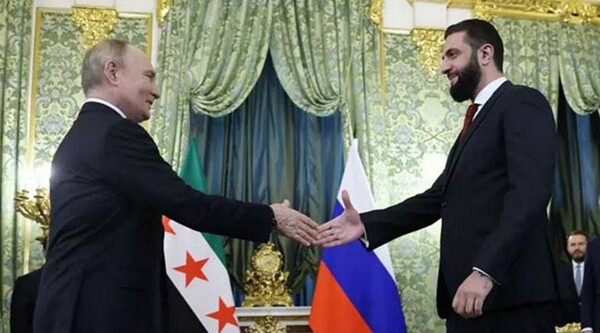
In this context, Ukrainian President Volodymyr Zelensky has expressed concern for the safety of leaders traveling to Moscow to meet with Putin. Meanwhile, Putin has met with other international leaders but has avoided direct negotiations with Zelensky so far. Uncertainty persists regarding the resolution of the ongoing conflict.