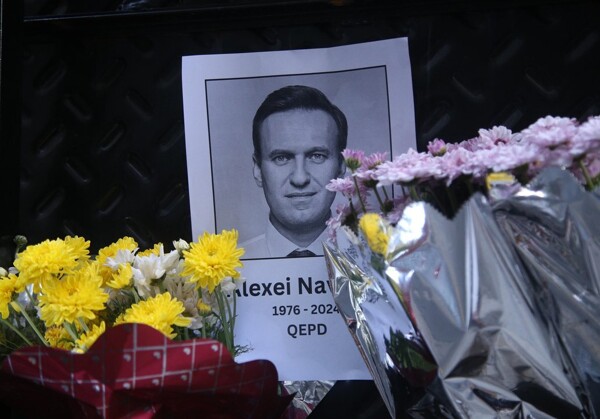
Russian opposition leader Alexei Navalny was poisoned with a lethal toxin found in South American poison dart frogs, the UK, Sweden, France, Germany, and the Netherlands announced in a joint statement. The governments of these countries reported that after analyzing samples taken from the Russian leader, the conclusive presence of a substance called epibatidine, a potent natural poison, was confirmed. Russia has always maintained that Navalny died of natural causes in prison in February 2024. However, given the toxicity of the detected substance and the reported symptoms, experts consider it very likely that poisoning was the actual cause of his death. According to British media, epibatidine is a compound 200 times more potent than morphine, making it an extremely dangerous toxin even in small amounts. The statement highlights that Navalny lost his life at the age of 47 while being held in a prison in Siberia. For the signatory governments, Russia had 'the means, the motive, and the opportunity' to administer this poison. They also recalled that in August 2020, they had already condemned the use of the nerve agent novichok against Navalny, a substance also used in the attempted assassination of former spy Sergei Skripal in Salisbury in 2018. British Foreign Secretary Yvette Cooper stated that only the Russian government had the capability to use this lethal toxin against Navalny during his imprisonment. It is still unclear how the supposed poison would have been administered. The opposition leader's widow, Yulia Navalnaya, announced the finding during a press conference parallel to the Munich Security Conference.