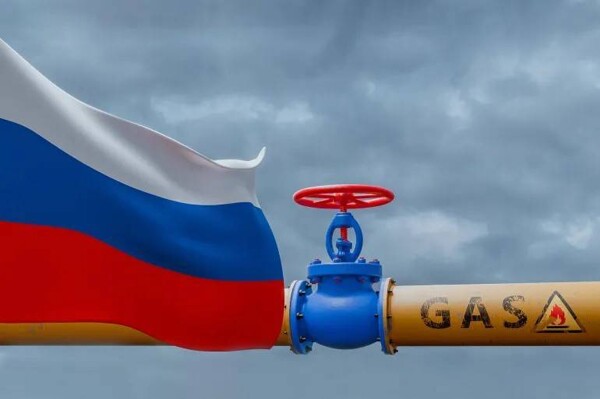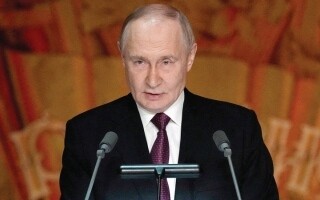
As Russian President Vladimir Putin moved through the Kremlin last week amidst rapidly spreading news about U.S. President Donald Trump's operation in Venezuela and the arrest of President Nicolás Maduro, one question dominated his thoughts: the impact of this event on global oil prices. For decades, crude oil has been the primary driver of the Russian economy, its effects outweighing those of gas exports to Europe. Consequently, the threat of falling oil prices, resulting from U.S. plans to control Venezuelan oil, was a major source of concern. Opinions were divided on how quickly Venezuela's struggling oil industry could recover, but some analysts believe that Venezuela, which has the world's largest proven reserves, could start pumping millions of additional barrels as early as this year, affecting global prices and pressuring Russia's revenues. Last year's sanctions against the two Russian oil companies, Rosneft and Lukoil, combined with a rise in the value of the ruble, led to a decrease in income from oil sales in dollars, thereby already reducing Moscow's revenues. Optimists argue that after four years of war in Ukraine, Putin is in a more precarious position, as Russia's financial outlook appears uncertain. They claim that a drop in oil prices could have catastrophic effects on his ability to fund the war in Ukraine. They portray the Russian economy as a 'cardboard house' that could collapse from sufficient economic pressure on Moscow. Economic growth, fueled by government military spending, has slowed to 'almost zero' after the Kremlin sought to curb the inflation caused by the expansion itself. The IMF projects growth of 0.6% in 2025 and 1% in 2026. The interest rate has risen to around 20%, and taxes are expected to increase this year. The unemployment rate has fallen to around 2%, reflecting a significant labor shortage as youth have been sent to the army, while middle-income families are emigrating to the West. Last month, a group of economic experts gathered at the Brookings Institution in Washington to consider how tougher, more dynamic sanctions could inflict further damage on Russia's war effort. Since the start of the war in Ukraine in 2022, Moscow has purchased a massive fleet of over 400 used vessels to transport oil to Turkey, India, and many other countries. This 'alternative fleet' has shrunk to about half its previous capacity since 2024, forcing Russia to rely on European-insured ships to transport its oil. Optimists believe that Moscow has exhausted most of its government reserves, and oil revenues have fallen from 50% to 25% of state income. Nevertheless, Putin has found internal resources to cover this shortfall, particularly by increasing taxes on families and companies. Richard Connolly of the Royal United Services Institute think tank said: 'The Kremlin has successfully marketed the war not as a fight with its neighboring Ukraine, but as a war with the West.' He added, regarding the impact of sanctions so far: 'We have not yet reached the stage where the economy becomes a decisive factor in the Kremlin's thinking about how to continue the war.' Russia's debt-to-GDP ratio is around 20%, while its annual budget deficit is approaching 3.5%, a modest rate by international standards, especially when compared to the UK's 11% deficit in the COVID-19 pandemic year and a debt-to-GDP ratio of around 95%. Inflation rose sharply after the war began but has since fallen to around 6%, slightly above the central bank's 4% target. China remains a strong ally and oil buyer, while North Korea is supplying Russia with manpower and equipment. In truth, four years of sanctions have not led to the collapse of the Russian economy; Putin has managed to buy time to regroup. It is believed that tightening the economic squeeze will not lead to a Russian economic collapse.